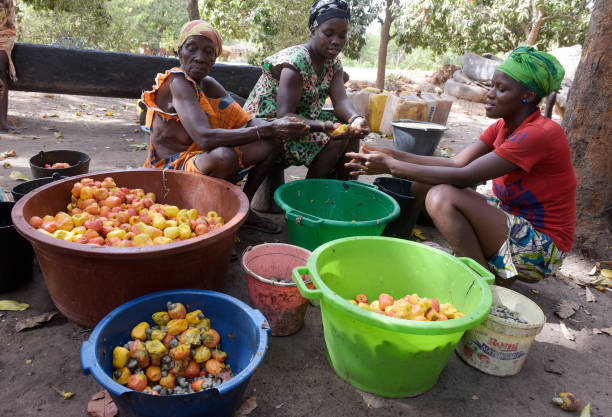
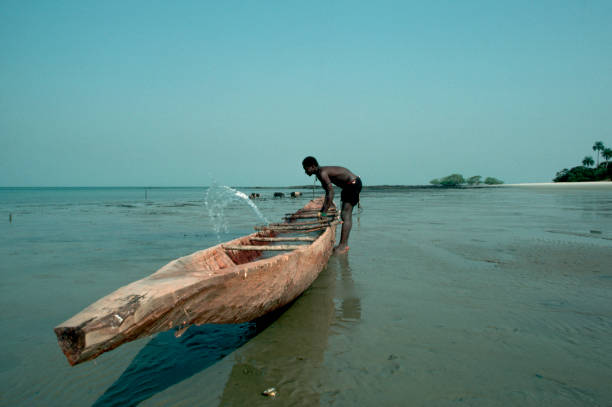
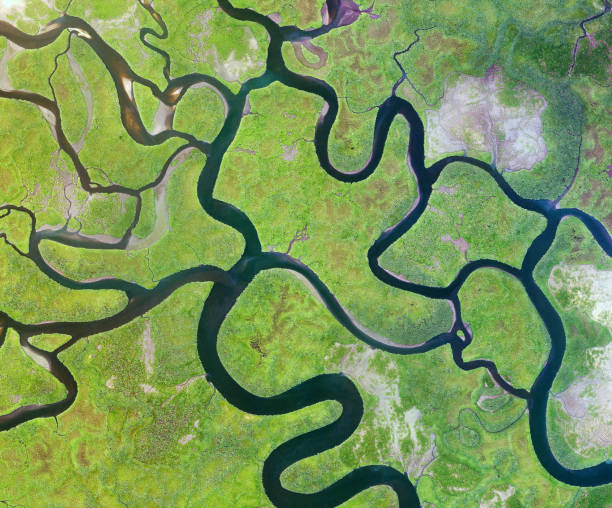
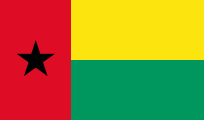
Guinea-Bissau is a country in Africa, known for its coastal wetlands and Bijagos Archipelago. It has a population of over 2 million, making it the 148th largest country in the world. Its capital is Bissau. Guinea-Bissau has a agricultural economy dependent on cashew exports.Guinea Bissau is an ethnically diverse country. The Fula (30%) and Mandinka-speaking people (13%) make up the largest percentage of the population and live mostly in the north and northeast. The Balanta (30%) and Papel (7%) people live in the southern coastal area. The Manjaco (14%) and Mancanha people live in the central and northern coastal regions of the country. The rest of the population is mostly Mesticos of mixed African and Portuguese descent with a small Cape Verdean population.
Guinea Bissau did have a high Portuguese population until it gained independence, at which point most Portuguese people left.
While Portuguese is the official language of Guinea Bissau, only 14% of the population speaks the language. 44% speak Kriol, a Portuguese-based creole language, while the rest speak several native African languages. Because Guinea Bissau is surrounded by French-speaking countries, French is taught in schools as well.