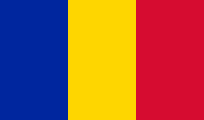
Chad is a country in Africa, known for the Sahara Desert and Lake Chad basin. It has a population of 21.6 million, making it the 64th largest country in the world. Its capital is N’Djamena. Chad has a oil-based economy with agricultural sector. Chad is a landlocked country in Central Africa with many regions. Lake Chad, which the country is named for, is the largest wetland in the country, which also has a desert zone, an arid belt and a fertile savanna zone. Chad is bordered by Nigeria, Cameroon, the Central African Republic, Sudan, Libya, and Niger and it is the 5th largest country by size in Africa.
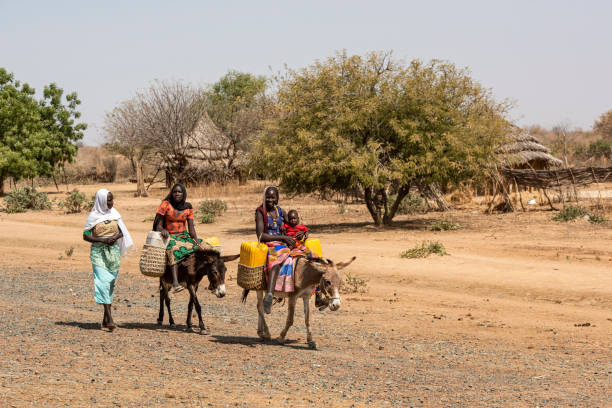
Chad is one of the most corrupt and poorest countries on earth and most of its people are impoverished and live as herders and farmers. The Fund for Peace considers Chad a failed state. Polygamy is very common in Chad with 39% of women in such a union. It is also sanctioned by law. Violence against women is common in Chad, as is female genital mutilation. Despite being prohibited, more than 45% of women undergo the procedure, which is more common among certain ethnic groups like the Arabs. The life expectancy in Chad is just 47 years old.
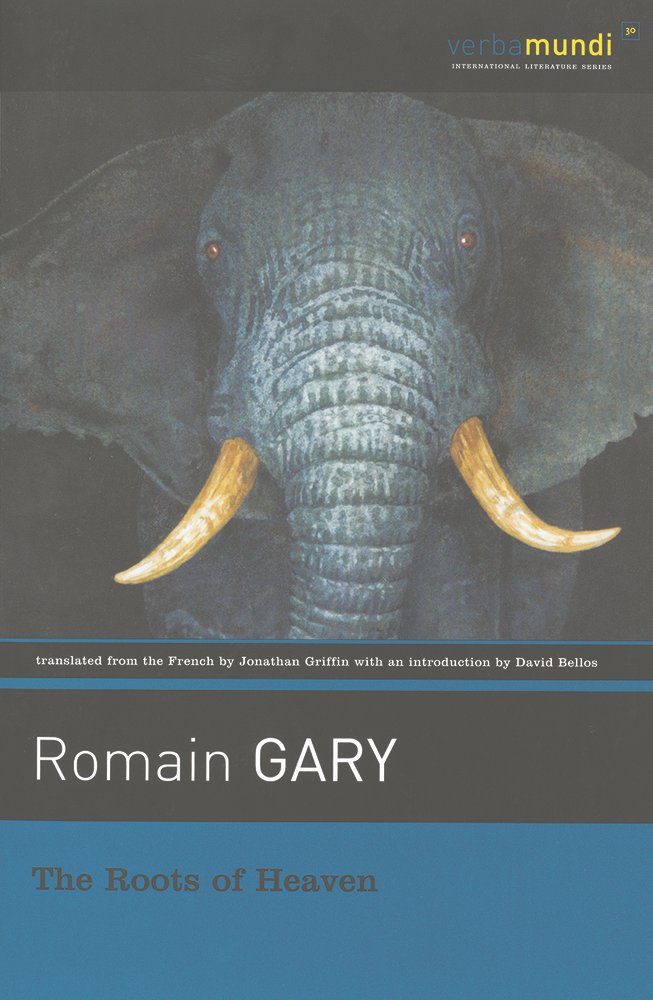
Bookshop.org
Bookshop.org